
Early awareness and the right care can make a meaningful difference in managing anemia and improving daily life.

You may be able to prevent the most common type of anemia, iron-deficiency anemia, by including iron-rich foods in your everyday meals and snacks. But there are other types of anemia you can't prevent, including inherited disorders.
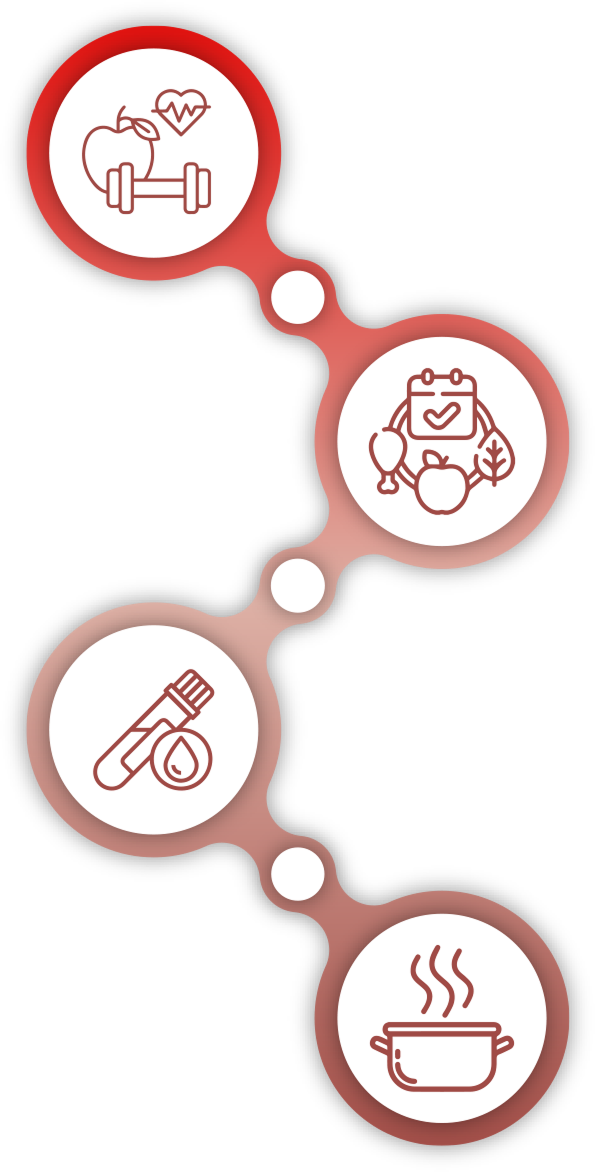
Choosing nutrient-rich foods every day can help prevent iron and vitamin deficiency anemia. A well-balanced diet with essential vitamins and minerals supports healthy blood circulation and helps your body stay active and strong.

Iron-rich foods include beef and other meats, beans, lentils, iron-fortified cereals, dark green leafy vegetables, and dried fruit.
This nutrient, and its human-made form folic acid, can be found in fruits and fruit juices, dark green leafy vegetables, green peas, kidney beans, peanuts, and enriched grain products, such as bread, cereal, pasta and rice.
Foods rich in vitamin B-12 include meat, dairy products, and fortified cereals and soy products.
Foods rich in vitamin C include citrus fruits and juices, peppers, broccoli, tomatoes, melons, and strawberries. These also help the body take in iron.

Prevention begins with awareness. Recognising symptoms such as fatigue, dizziness, weakness, or pale skin can help support earlier attention and better management pathways. Stay informed and continue learning about the signs associated with anemia.